11 releases
| 0.3.2 | Nov 15, 2021 |
|---|---|
| 0.3.1 | Nov 15, 2021 |
| 0.2.5 | Sep 14, 2021 |
| 0.2.4 | Mar 30, 2021 |
| 0.1.2 | Mar 12, 2021 |
#133 in Multimedia
179 downloads per month
Used in 2 crates
22KB
175 lines
Rust: no_std digital low pass filter library
This is a no_std Rust library for simple digital low pass filters. You can use it for example to
get the low frequencies from a song.
I'm not an expert on digital signal processing. Code contributions are highly welcome! :)
Difference to biquad
⚠ TL;DR: Prefer crate biquad and use this crate only for educational purposes.
This crate provides a basic and simple to understand, first order lowpass filter. The biquad
crate offers second order filters, with higher accuracy. Due to my testing, a lowpass filter with biquad has the same
computational costs as my crate, but offers a better resolution for actually cutting of signals above the
cut-off frequency while the preserved signal will be less attenuated, compared to my filter implementation.
For production, please use biquad.
How to use
use lowpass_filter::lowpass_filter;

/// Minimal example how to use this crate/how to apply low pass filter.
fn main() {
    // read this from MP3 for example
    let mut mono_audio_data = [0.0, 1.0, -5.0, 1551.0, 141.0, 24.0];
    // mutates the input buffer
    lowpass_filter(&mut mono_audio_data, 44100.0, 120.0);
}
Visual Examples
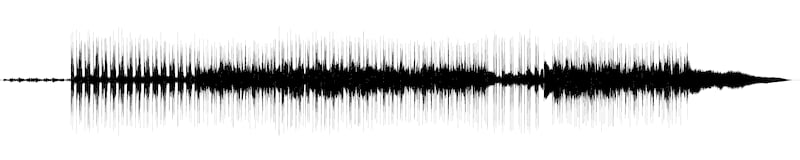
#1: Original Waveform of a short sample
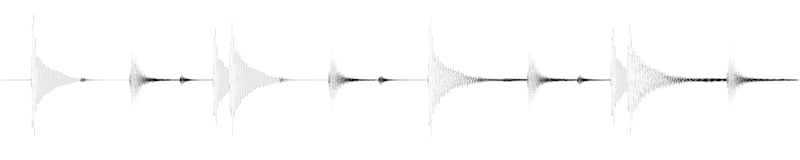
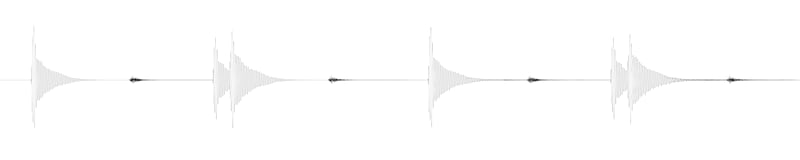
#1: Lowpassed Waveform
#2: Original Waveform of a song
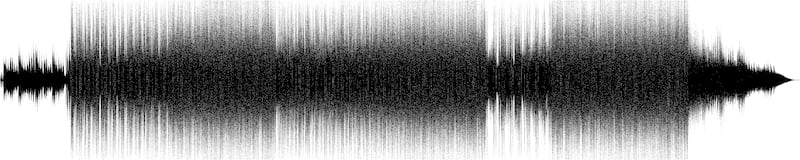
#2: Lowpassed Waveform
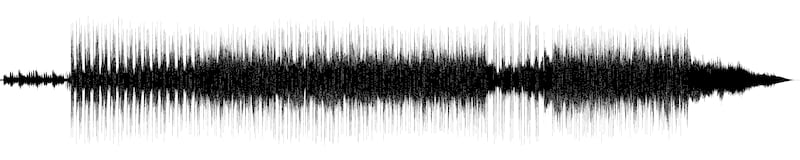
#2: 3x Lowpassed Waveform